
Tether teams up with UN agency on African security initiatives
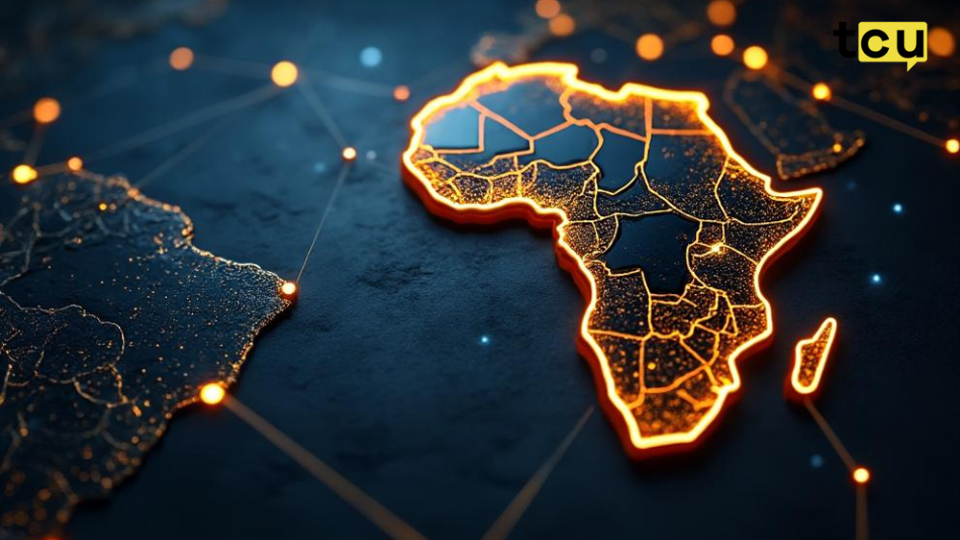
Tether, the company behind the world’s largest stablecoin, has announced a partnership with the United Nations Office on Drugs and Crime. The collaboration aims to address cybersecurity challenges in Africa, which has become one of the fastest-growing regions for cryptocurrency adoption.
I think this move comes at a critical time. As more people in Africa turn to digital assets, the risks of scams and fraud have been increasing. The continent reportedly needs around $260 million to strengthen its cybersecurity infrastructure against both crypto-related and traditional financial crimes.
Three main projects target different regions
The partnership focuses on three specific initiatives across different parts of Africa and the Pacific. First, there’s the Senegal Project, which involves public awareness campaigns and educational programs targeting young people. These include bootcamps and learning opportunities, with support from the Plan B Foundation.
Then there’s the broader Africa Project, which provides direct assistance to victims of human trafficking across several countries including Nigeria, Senegal, and Uganda. The program funds civil society organizations working in these areas.
Finally, the Papua New Guinea Project involves student competitions at universities in Papua New Guinea and the Solomon Islands. The focus here is on blockchain solutions for financial inclusion and crime prevention.
Educational approach with practical support
What strikes me about this initiative is the educational component. It’s not just about throwing money at problems. The Senegal program includes coaching, mentorship, and even micro-grants to help participants develop their ideas further. This seems more sustainable than one-off interventions.
Paolo Ardoino, Tether’s CEO, mentioned that the collaboration aims to combine innovation with education to create safer opportunities for communities. He emphasized the importance of inclusive growth, which makes sense given the uneven access to financial services in many African countries.
Addressing real vulnerabilities
Sylvie Bertrand from the UNODC highlighted the tripartite nature of the partnership—bringing together the UN, private sector, and local authorities. She pointed to Senegal’s Digital New Deal as a framework they’re supporting through this collaboration.
The goal appears to be strengthening digital skills while promoting secure and transparent digital ecosystems. Perhaps this approach recognizes that technology alone won’t solve security problems—people need the knowledge to use it safely.
It’s interesting to see a cryptocurrency company taking this kind of proactive role in cybersecurity education. Usually, we hear about crypto firms responding to security breaches after they happen. This seems more forward-looking, though only time will tell how effective these programs will be.
The partnership acknowledges that Africa’s rapid crypto adoption brings both opportunities and risks. By focusing on education and community resilience, they’re trying to address vulnerabilities before they lead to larger problems. Still, the scale of the challenge is substantial, and $260 million is a significant funding gap to fill.
What remains unclear is how these initiatives will be measured for success. Will there be specific metrics for reduced fraud incidents? Improved digital literacy rates? Those details might emerge as the programs roll out over the coming months.