


The current state of NFT valuations
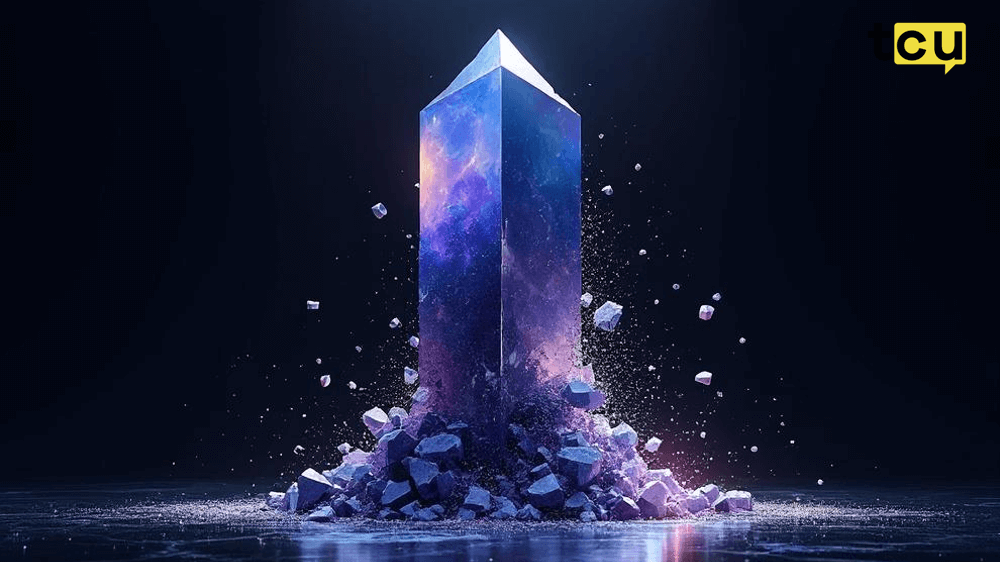
I’ve been looking at the latest numbers, and honestly, they’re pretty sobering. The total market capitalization for NFT collections has dropped below $1.5 billion. That’s a level we haven’t seen since August 2021, which feels like a lifetime ago in crypto terms. When you think about it, that’s more than a 90% decline from the peak valuations we saw back in early 2022.
What’s interesting, though, is that this isn’t necessarily a death knell for NFTs. I think it’s more of a reality check. The speculative frenzy that drove those insane valuations has mostly evaporated. Projects without clear utility or strong communities are struggling, while the broader crypto bear market hasn’t helped either.
Looking back at the boom and bust
Remember the “NFT Summer” of 2021? Bored Apes, CryptoPunks, million-dollar sales—it was wild. But maybe too wild. That rapid expansion was always going to be followed by some kind of correction. What we’re seeing now feels like the market shedding what was essentially speculative excess.
What’s encouraging, at least to me, is that the foundational technology hasn’t disappeared. The core use cases—digital identity, proof of ownership, community membership—are still being actively developed. Maybe this lower market cap represents a consolidation phase, separating flash-in-the-pan trends from projects with actual staying power.
Different sectors, different stories
Not all NFTs are suffering equally, which is worth noting. Profile picture projects, which drove so much of the initial hype, have seen the steepest declines. But niches showing real-world utility seem to be holding up better. Things like gaming assets, access tokens, and membership NFTs—they’re demonstrating more resilience.
This differentiation suggests the market might be maturing in a healthy way. We’re moving from pure speculation to practical application. The declining overall market cap might actually mask a quieter, more sustainable development process.
What this means for everyone involved
For creators, the easy fundraising days are probably over. Success now requires more than just dropping some digital art. You need a real roadmap, active community engagement, and demonstrable utility. Many platforms that thrived during the boom have had to pivot or consolidate.
For collectors, the risk profile has definitely changed. The potential for quick speculative gains has diminished, shifting focus toward long-term value and personal enjoyment. This environment favors those who do their homework—researching teams, technology, and community health before investing.
Looking ahead
Predicting where things go from here is tricky. Technological improvements in blockchain scalability could help by reducing transaction costs and environmental concerns. Integration with emerging fields like AI for generative art might spur new interest. But challenges remain—market sentiment is fragile, and regulatory uncertainty persists.
I suspect any recovery will be gradual, driven by tangible use cases rather than speculative narratives. The next growth phase will likely correlate with broader Web3 adoption, not standalone NFT hype. The market cap falling below $1.5 billion represents a critical inflection point—the end of a bubble and the beginning of a more mature phase.
What’s different now, I think, is that the underlying market is more discerning, more utility-oriented, and more integrated with broader technological trends. The future will depend on developing applications that deliver genuine value to users, rebuilding the sector on a more stable foundation.