
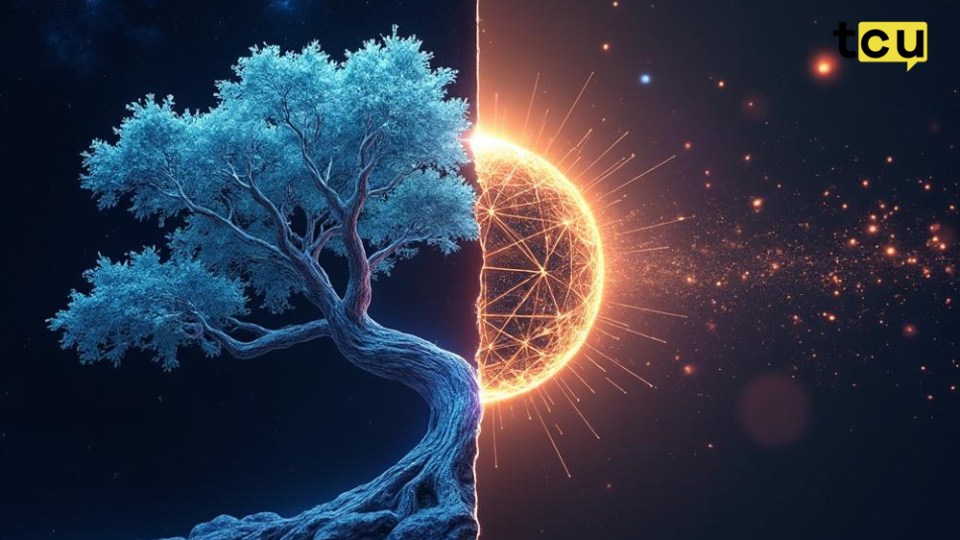

Two Competing Visions for Blockchain Longevity
Solana Labs CEO Anatoly Yakovenko has laid out a pretty clear vision for his blockchain’s future, and it’s one that directly contrasts with Ethereum founder Vitalik Buterin’s approach. Yakovenko thinks Solana needs to keep changing constantly, adapting to whatever developers and users need at any given time. He put it bluntly: if Solana ever stops evolving to fit those needs, it will die.
This came in response to Buterin’s own thoughts about what makes a blockchain last. Buterin wants Ethereum to reach a point where it can basically run itself for decades without needing constant developer intervention. He calls this the “walkaway test” – the idea that a blockchain should be self-sustainable enough that developers could theoretically walk away and it would keep functioning.
The Practical Differences in Approach
What’s interesting here is how these different philosophies play out in practice. Ethereum, as it stands, is the most decentralized smart contract platform out there. It dominates when it comes to stablecoins and real-world asset tokenization. But it’s not exactly known for being fast, and some would say it’s less popular for consumer applications.
Solana, on the other hand, is one of the speedier networks around. It’s arguably more popular for consumer apps, and it actually earns more in fees. But the planned paths to success for these two blockchains couldn’t be more different.
Buterin seems willing to sacrifice some mainstream adoption if it means maximizing decentralization, privacy, and self-sovereignty. Yakovenko wants Solana to be an evolving ecosystem that introduces new features to adapt to real-world needs as they emerge.
The Trade-offs and Risks
There are reasonable arguments on both sides. Supporters of Buterin’s approach worry that adding too many features increases the risk of bugs and security flaws. Every new feature expands the attack surface and could lead to unintended consequences in the protocol. There’s also the centralization risk – the more complex a system becomes, the fewer people can understand it fully.
Those who agree with Yakovenko’s “adapt or die” mentality think a hands-off approach leads to slower innovation. In a competitive landscape, being too conservative might mean getting overtaken by faster-moving competitors. It’s a classic tension between stability and innovation, between security and adaptability.
Future Development and AI Integration
Yakovenko had some interesting thoughts about how Solana might evolve in the future. He emphasized that protocol updates should come from a diverse community of contributors rather than just a few development teams. But he went further, suggesting a future where Solana network fees could fund AI-assisted development.
The idea is that AI could help write and improve Solana’s codebase. “You should always count on there being a next version of Solana,” Yakovenko said, which really captures his philosophy of constant evolution.
Meanwhile, Buterin acknowledges that Ethereum isn’t self-sustainable yet. There’s still work to be done before Ethereum can adopt that hands-off approach he envisions. He mentioned quantum resistance features, more scalable architecture, and a better block-building model that resists centralization pressures as some of the main improvements needed.
It’s a fascinating debate about what makes a blockchain last. Is it stability and self-sustainability, or constant adaptation to changing needs? Both approaches have their merits, and perhaps both will find their place in the broader ecosystem. What’s clear is that the leaders of these major blockchains are thinking deeply about longevity, not just short-term success.