
Every crypto investor knows the feeling of missing out. You see a project skyrocket after launch and think, “If only I had found this best presale platform crypto earlier.” That question drives one of the biggest challenges in the space: discovering early-stage projects that are both promising and accessible.
Over the years, two main routes have emerged to solve this problem—traditional launchpads and newer, tokenized private-deal platforms like IPO Genie. Both promise access to early opportunities, but which one actually helps investors find better presales? Let’s unpack the difference in plain language.
What “Best’’ Presale Platform Crypto Really Means?
For most investors, “best” isn’t about the biggest screenshot ROI, it’s about outcomes that are steady, transparent, and repeatable. A truly best presale platform crypto should make it easier to access quality projects, manage risk, and exit without chaos.
In this context, “better presales” means deals that provide balanced returns, fair allocation systems, and clear liquidity paths. It’s less about chasing luck and more about building a reliable process where effort and research actually pay off.
How Launchpads Work in Practice
Launchpads became popular in the 2020–2022 bull run. They let users stake a token to secure a tier that determines allocation odds for upcoming presales. Investors buy in early, wait for the token generation event (TGE), and then hope for a profitable listing.

According to industry data, some top platforms reported average all-time ROI multiples above 50x during peak markets. But those numbers hide a truth: only a handful of projects actually reach such levels. Most struggle to maintain post-launch value due to hype-driven listings and limited screening. Launchpads often suit users who like active trading and can monitor token unlocks and market conditions closely.
How IPO Genie Works for Everyday Investors
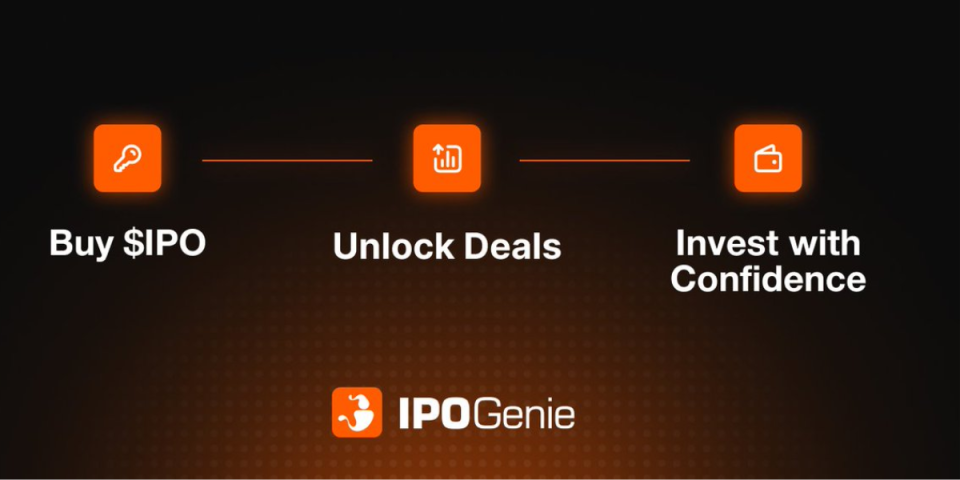
IPO Genie, one of the best presale platform crypto takes a different approach. Instead of hundreds of token sales, it curates fewer, institution-vetted deals. Holding the native token, $IPO, gives access to private-market opportunities traditionally reserved for venture funds. These include startups in AI, fintech, and DeFi that have already attracted backing from major investors.
Every deal goes through due diligence, smart-contract audits, and compliance checks. Investors can participate through a simple Web3 interface and exit via tokenized secondary markets when ready. It’s a model built to give structure and reliability rather than volume and speculation.
| Aspect | Launchpads | IPO Genie |
| Deal Flow | Many projects, variable quality | Fewer but deeply vetted deals |
| Access | Tier-based or lottery | Token-based, direct access |
| Risk | High short-term volatility | Longer-term, milestone-based exposure |
| Compliance | Often limited to KYC/AML | Operates under regulated fund structure |
| Liquidity | At TGE, often volatile | Secondary markets, smoother exits |
Launchpads thrive on speed and hype. IPO Genie focuses on stability and transparency. Choosing between them depends on whether you prefer to gamble on short-term momentum or build exposure to projects with institutional oversight.
Selection Quality and Success Rate
The average crypto presale platform lists anywhere from 150 to 400 projects each year, yet fewer than 20% maintain their token value a month after launch, according to aggregated ROI data from sites like CryptoRank and ICO Analytics. That drop-off usually comes from weak screening and short-term hype cycles. IPO Genie approaches the process differently. Its deals are sourced through established venture networks and reviewed with AI-driven analytics that track fundamentals such as revenue growth, product readiness, and investor backing.
While launchpads might showcase more headline winners, IPO Genie aims for a steadier median success rate, focusing on fewer losses and more predictable gains. For anyone tired of chasing hype, that consistency can make a real difference.
Access and Allocation Fairness
One of the biggest frustrations with launchpads is allocation fairness. Staking requirements can be steep, locking up thousands of dollars just to enter small lotteries. For casual investors, that’s discouraging. IPO Genie’s model eliminates lotteries. Holding $IPO tokens automatically unlocks tiered access to deals, starting with small minimums. You choose which opportunities to back and how much to allocate. That transparency makes participation less stressful for those who can’t afford large stakes.
Liquidity and Exit Options
Liquidity is where both models differ most in practice. Launchpad participants usually sell at the token generation event (TGE), facing unpredictable price swings as tokens hit exchanges. Vesting schedules and limited circulating supply often amplify post-launch declines, revealing how short-term speculation can distort fair value.

IPO Genie, on the other hand, introduces tokenized secondary markets that tie liquidity to real progress. Investors can exit once milestones are verified or hold for longer periods as projects mature. This approach treats liquidity as a function of project quality and accountability rather than hype cycles, offering a steadier and more data-driven path for those who value timing and control.
Real Costs Beyond the ROI Screenshots
Most investors focus on ROI without factoring in the hidden costs of participation. On many launchpad platforms, the effective requirement to stake significant native tokens means your capital is locked and exposed to the token’s price swings—not just the deal’s outcome.
Add in registration time, KYC procedures, gas fees, and the opportunity cost of idle funds, and the real cost of entry rises sharply. By contrast, IPO Genie simplifies the process: you still hold tokens, but the number of steps is markedly fewer, paperwork is lighter, and tracking is largely automated. When you adjust for time spent and hidden costs, the difference in net benefit becomes clearer.
Compliance and Safety in an Unforgiving Market
Many launchpads operate globally without consistent regulatory coverage. That’s fine until a project fails or a token sale triggers legal scrutiny. IPO Genie’s setup as a regulated hedge fund changes that dynamic.
Every deal is legally structured, using verified custody and audited contracts. Real-time oracles provide data on company milestones and investor rights. In a market that’s still largely unregulated, this approach can reduce operational risk and boost investor confidence.
Which Model Fits Which Investor?
There’s no single winner. It depends on your goals and how much time you can commit.
- If you have limited time and prefer guided access, IPO Genie offers curated deals with built-in compliance and structure.
- If you enjoy active participation, thrive on volatility, and want faster liquidity, launchpads remain appealing.
- A balanced approach might involve using both—a few speculative launchpad entries for excitement and longer-term, vetted deals for consistency.
Final Verdict
Every investment model has trade-offs. Launchpads offer speed but carry higher uncertainty, while IPO Genie provides structure and diligence but takes patience. The real best presale platform crypto is the one that matches your goals and risk tolerance. For many, blending both captures short-term opportunities and long-term, vetted exposure.
In 2025, knowledge matters more than hype. Whether using launchpads or IPO Genie, smart investors focus on fundamentals. Understanding how each crypto presale platform works helps align your strategy with your comfort level.
Ultimately, the path to the best presale platform crypto isn’t about chasing trends but staying clear, consistent, and confident in every deal. That’s how investors move from short-term excitement to lasting success.
Check out the official IPO Genie website for the latest updates and full project details.
Disclaimer: This post is just for informational purpose, not financial advice. Always do your own research before investing in any crypto project.